From Chapter 5 …
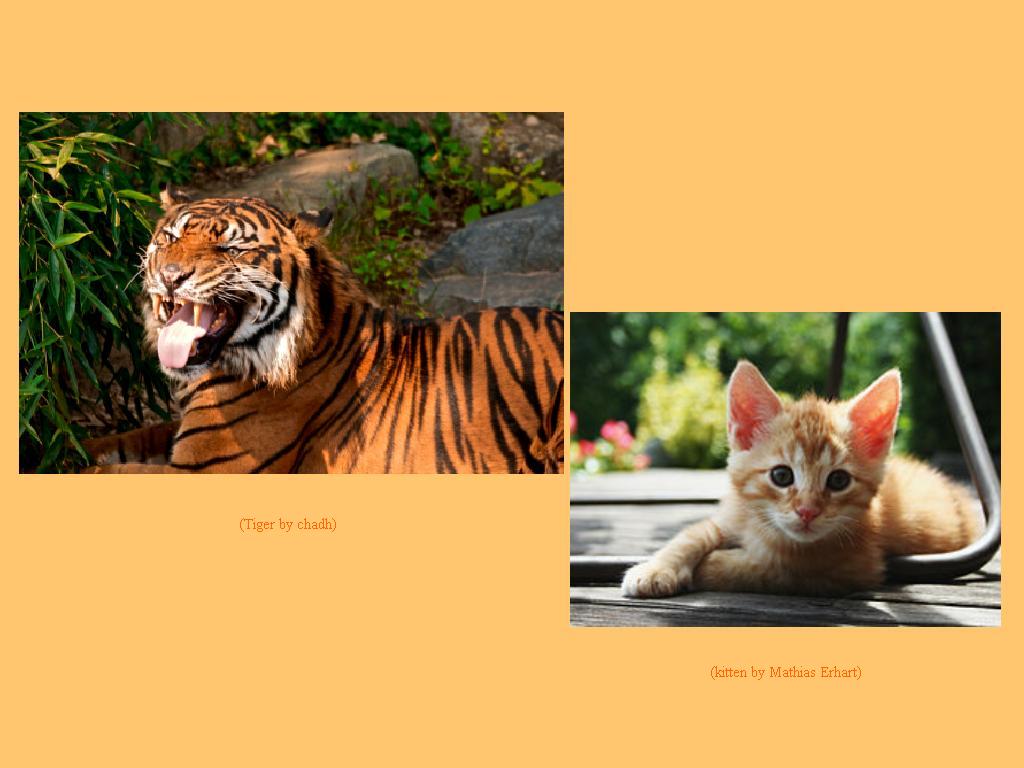
The agricultural revolution also brought with it a momentous change: the animal realm was presently divided into the “Wild” and the “Tame.” Animals in the latter category, pressed into the service of human needs, were stripped of their Otherness, whereas those in the former category were now sometimes regarded more as alien beings to be hated and feared—as merely other, rather than as intimately Other. According to Berman, this splitting of the human and animal worlds constituted the basis for all subsequent dualisms attendant to human affairs. In the earlier hunter-gatherer society, “If there was no sharp divide between Wild and Tame, or Self and Other, there was also no such divide between sacred and profane, or heaven and earth. . . . Domestication changed all this. The fundamental categories that presented themselves were now two—Wild and Tame—and eventually all forms of thought, down to the present day, came to be based on this model.”….
But the Neolithic distinction between wild and tame animals was surely not as categorical as it would become in modernity, and—despite losing the deep and sustained Paleolithic intimacy with the animal Other—intimacy was by no means lost completely in the Neolithic. This is borne out by the fact that, as Berman himself notes, “Animal cults and symbolism [did] continue into the Neolithic period, still strongly coloring human processes of cognitive and psychological development.” The worship of animals cannot be practiced without some sense of intimacy with them.