From Chapter 2 …
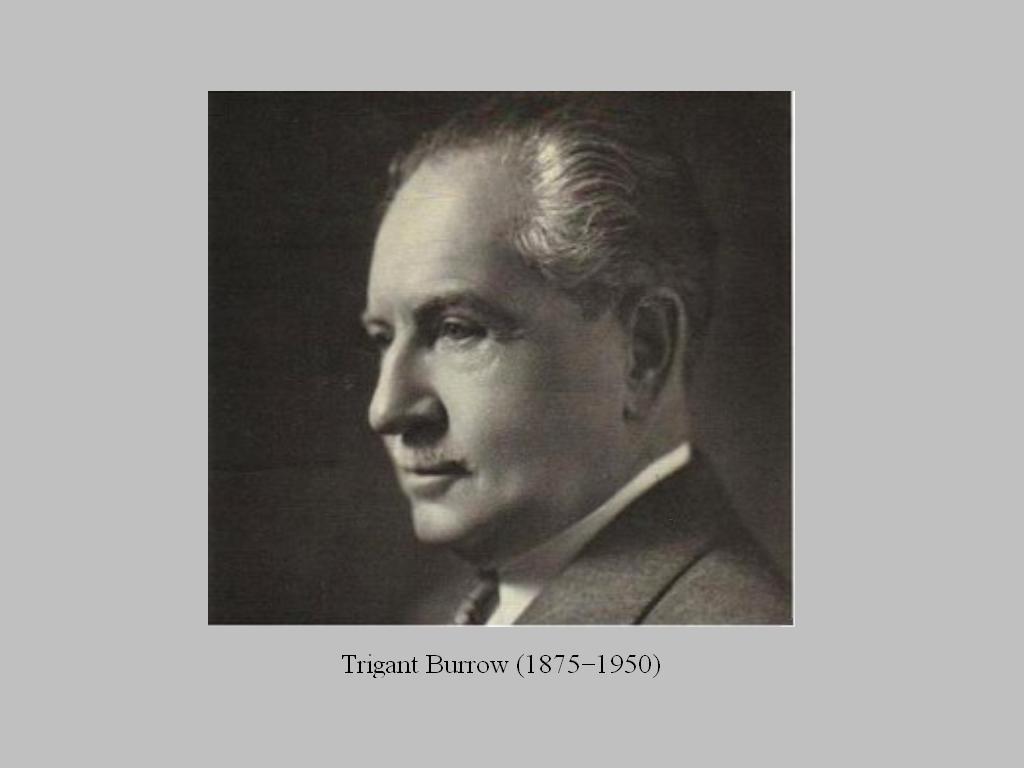
Etymologically, to perceive is to “take hold of” or “take through” (from the Latin, per, through, and capere, to take), and to conceive is to “gather or take in.” These activities are carried out in the “forward gear” of consciousness, where attention operates through the objectification of reality carried out by a detached ego. The term proprioceive is from the Latin, proprius, meaning “one’s own.” Literally, then, proprioception means “taking one’s own,” which can be read as a taking of self or “self-taking.” It is true that the term’s conventional meaning derives from physiology, where it signifies an organism’s sensitivity to activity in its own muscles, joints, and tendons. But the physicist-philosopher David Bohm spoke of the need for “proprioceptive thought,”which he viewed as a meditative act wherein “consciousness…[becomes] aware of its own implicate activity, in which its content originates.” Another form of proprioceptive practice has been suggested by psychologist/philosopher Eugene Gendlin, who described a method of focusing on psychological issues by drawing attention inward to obtain a felt sense of the overall bodily background of the problem. Years earlier, the social psychiatrist Trigant Burrow spoke similarly of the need for human beings to gain a proprioceptive awareness of the organismic basis of their divisive symbolic activity.