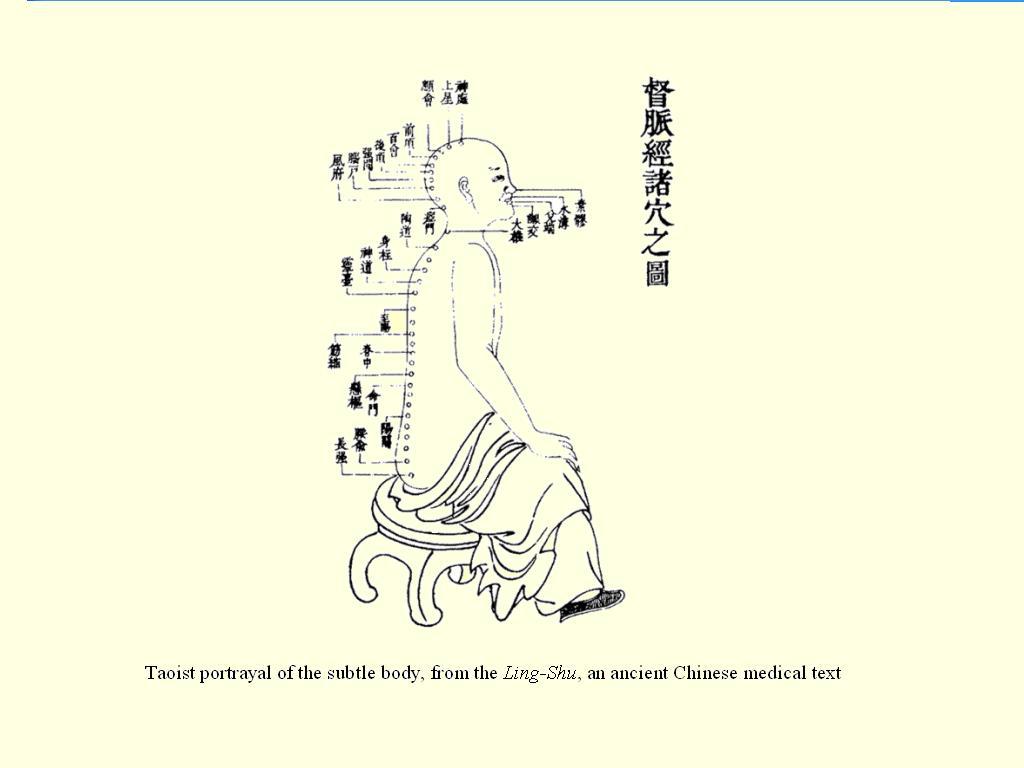
From Chapter 2 …
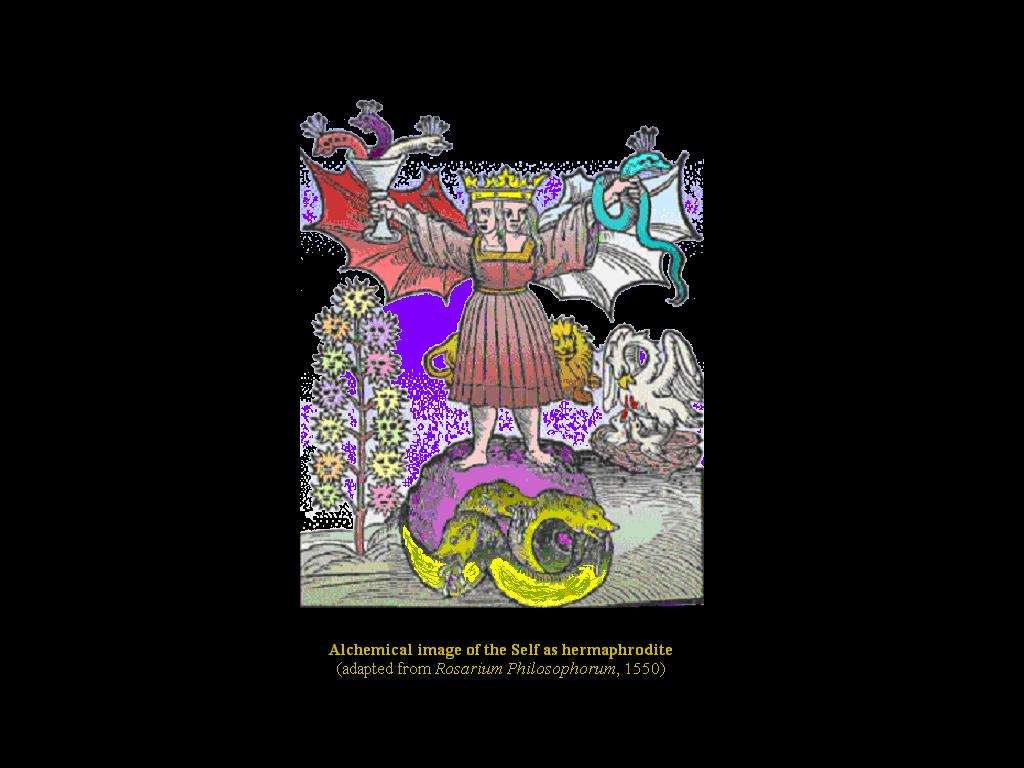
In seeking to address this question, von Franz is guided by the ancient “Chinese concept of life after death, as described by Richard Wilhelm.” Egoic identity is “bound to the physical body”—which means the finite particular body, the body construed as a circumscribed object in space. It is this objectified body that grounds one’s ordinary sense of oneself from early infancy. Given this fundamental attachment, the particular ego, operating alone, cannot survive the decimation of the physical body brought on by the ravages of death. Only with the assistance of a “universal ego,” i.e. the Self, is survival possible. To make this generic identity a concrete reality, it is necessary to construct a “subtle body,” a “‘body of a spiritual kind’”: “By building up the spiritual body through meditation exercises, the Chinese attempted in this life to disengage the energies attached to one’s ordinary body and thus to endow the seminal power, the entelechy—or, translated into our modern terms, the Self—with a new body.” Once this subtle body was fashioned, one was purportedly “able to retain an individual identity after death within the . . . unus mundus.”